
The modern world is one where we can capture, share, and enjoy images instantly. In comparison to the past, the ability to transfer the tangible to the digital is both fascinating and almost magical. In the world of information technology, pixels are the basic building blocks of digital images. Indexed images, like GIFs, represent colors in an interesting way. Through this post, you’ll appreciate not just the images you see on your screens, but the technology and story behind them.
The World in Pixels
Imagine taking an object and dividing it into thousands of tiny squares. Each square is a uniform color, combining to provide a digital representation of the object. This is what happens when we digitize an image. The process transforms the details of the real world into a grid of tiny squares. Each pixel is a digital translation of reality, a blend of color and mathematics that captures a moment in time.
The Indexed Image
Indexed images, such as the GIF format, don’t store the color of each pixel directly. Instead, they refer to a palette: a predefined list of colors. Each pixel in the image is represented by a number, which corresponds to a color in the palette. This method is efficient and allows for smaller file sizes without sacrificing the quality of the image.
A World of 1s and 0s
At its core, the representation of colors in an indexed image is an array of 1s and 0s: binary code. This binary representation is where the magic happens. The bit depth of the image determines how many colors can appear. A bit depth of 1 can represent two colors (often black and white), as there’s only one binary choice per pixel: 0 or 1. Increase the bit depth to 8, and you can represent 256 colors, as each pixel can be any of 256 different values. This bit depth can increase, at the cost of storage, and allow for millions of colors to be used to represent an image.
Bit Depth and the Rainbow
Bit depth is a choice between image quality and file size. A higher bit depth allows for more colors and more detailed images, but it also means larger files. It’s a compromise that artists have navigated since the beginning of digital imaging. The result? A levy of digital art and practical imagery, from simple logos to high-res photographs.
Conclusion
Pixels are the backbone of technological digital representation. These small squares of color can contain a palette of many or few. As we continue to increase technology and image quality, we will continue to build upon the foundation that pixels have provided.
Proofread: OpenAI. ChatGPT. 2023, https://openai.com. Accessed 03/24/2024.

A picture of an apple with a color index of 2. A color index of two leads to a black and white palette.
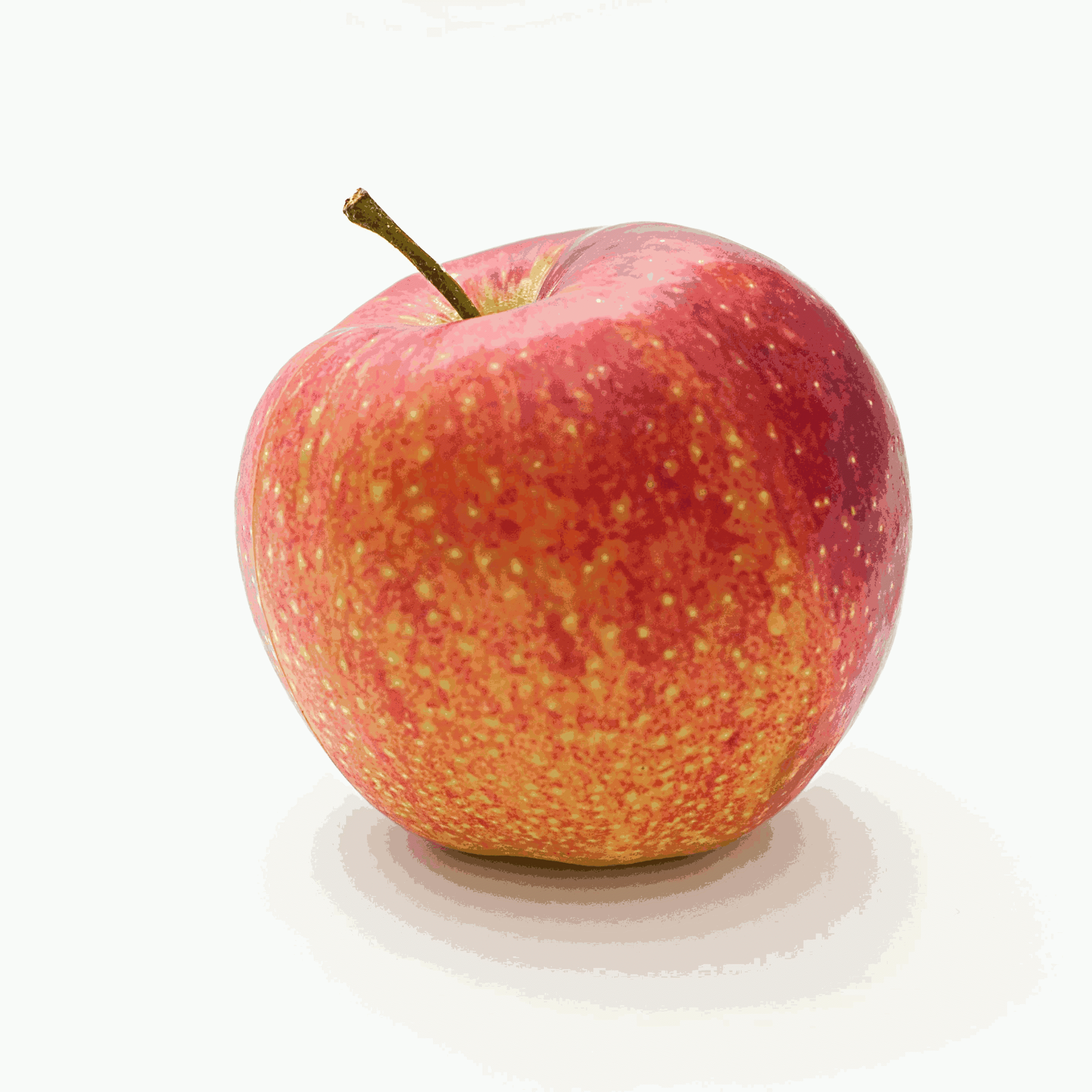
A picture of an apple with a color index of 64. A color index of 64 leads allows for a balanced palette, but shadows and gradients can become a little edgy.